Hospitality Projects
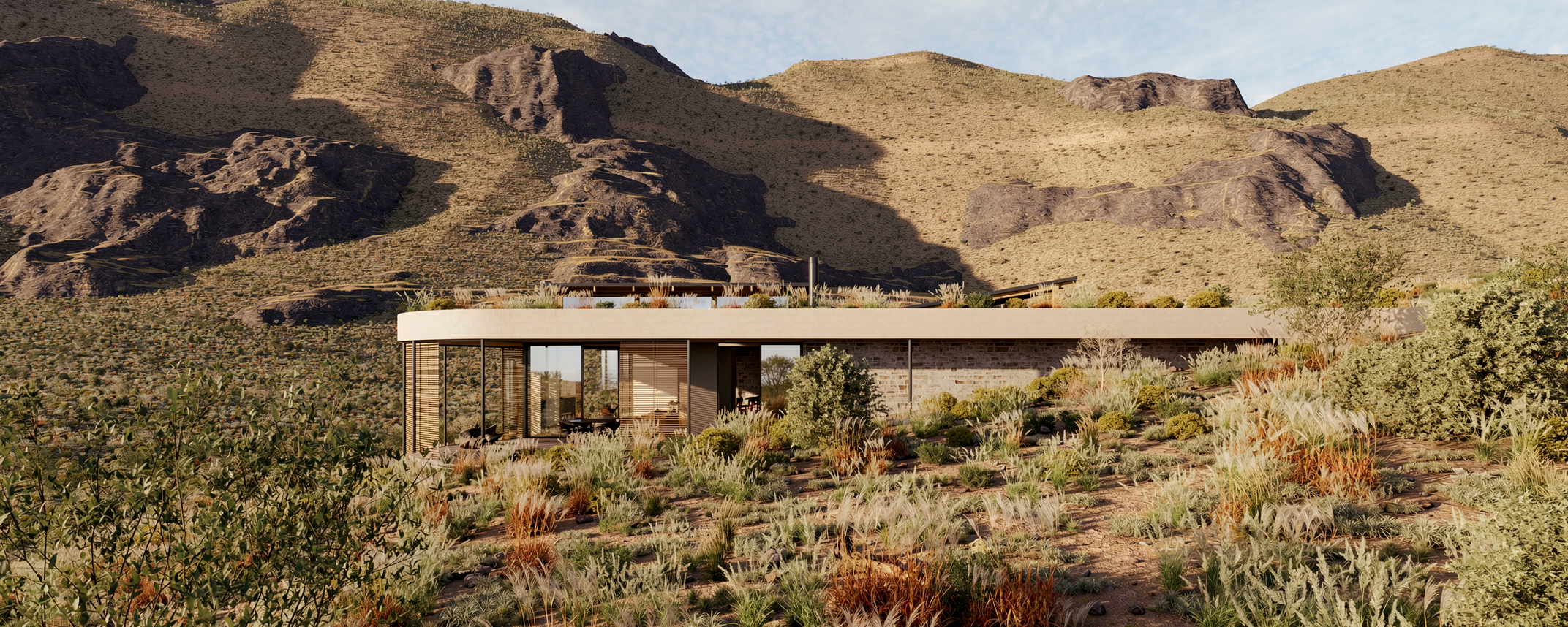
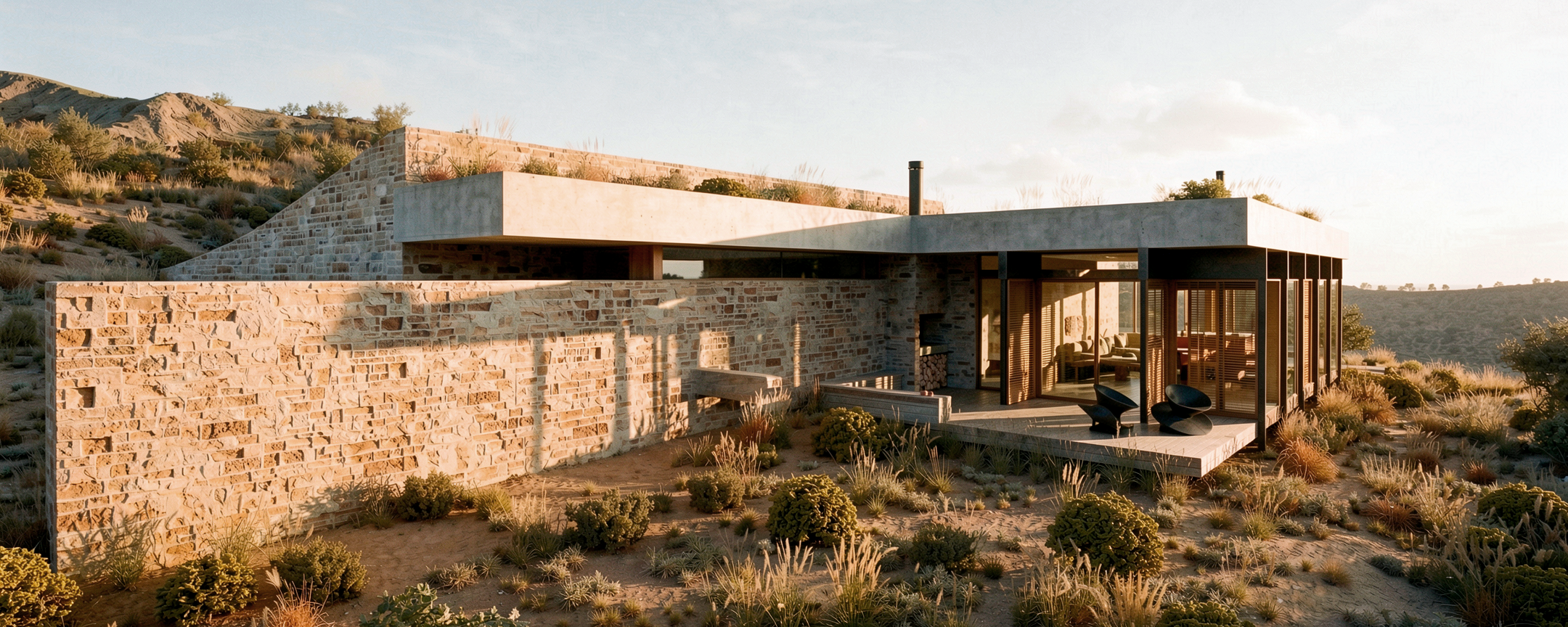
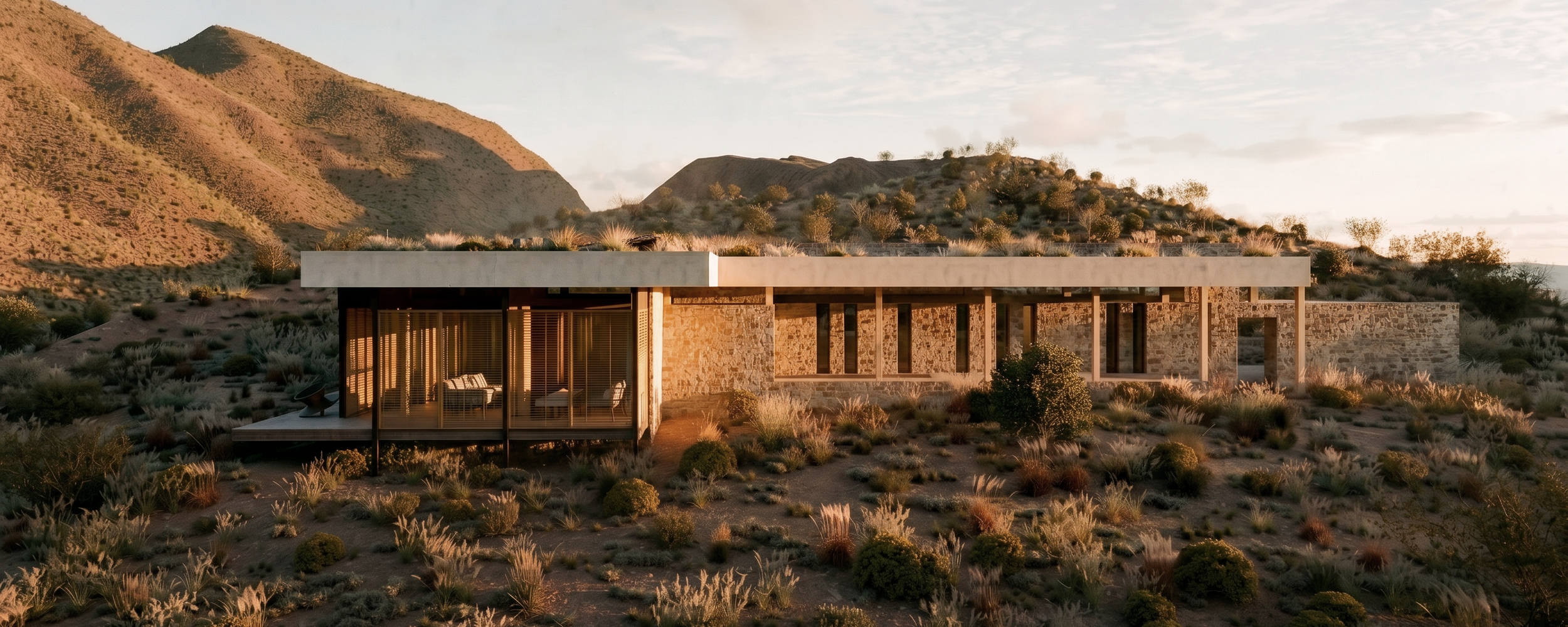
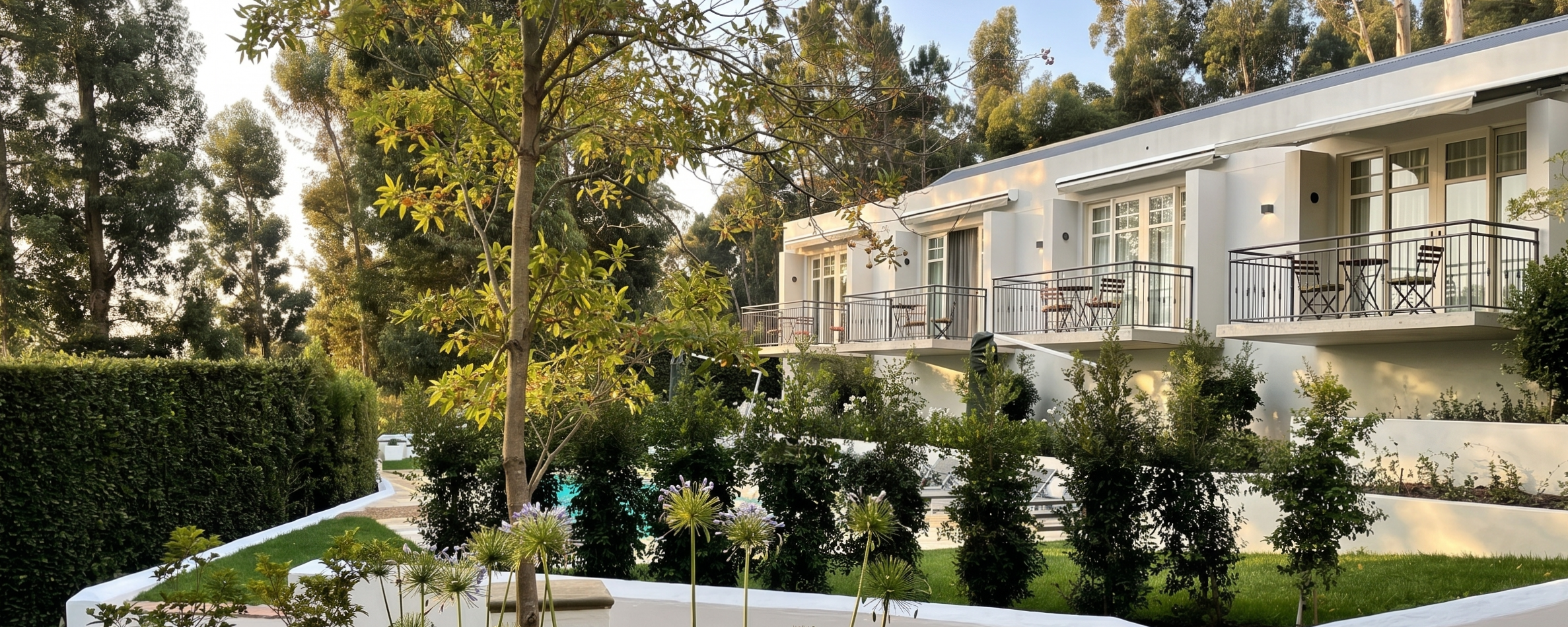
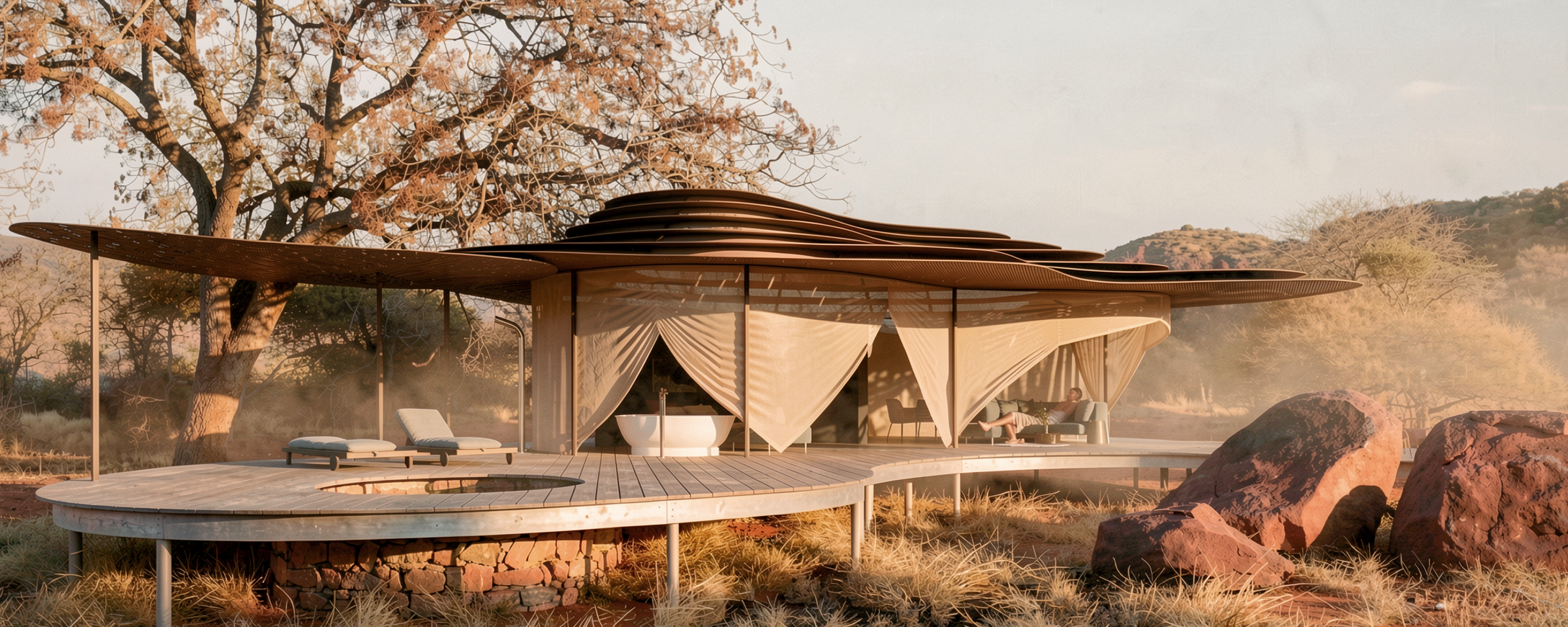
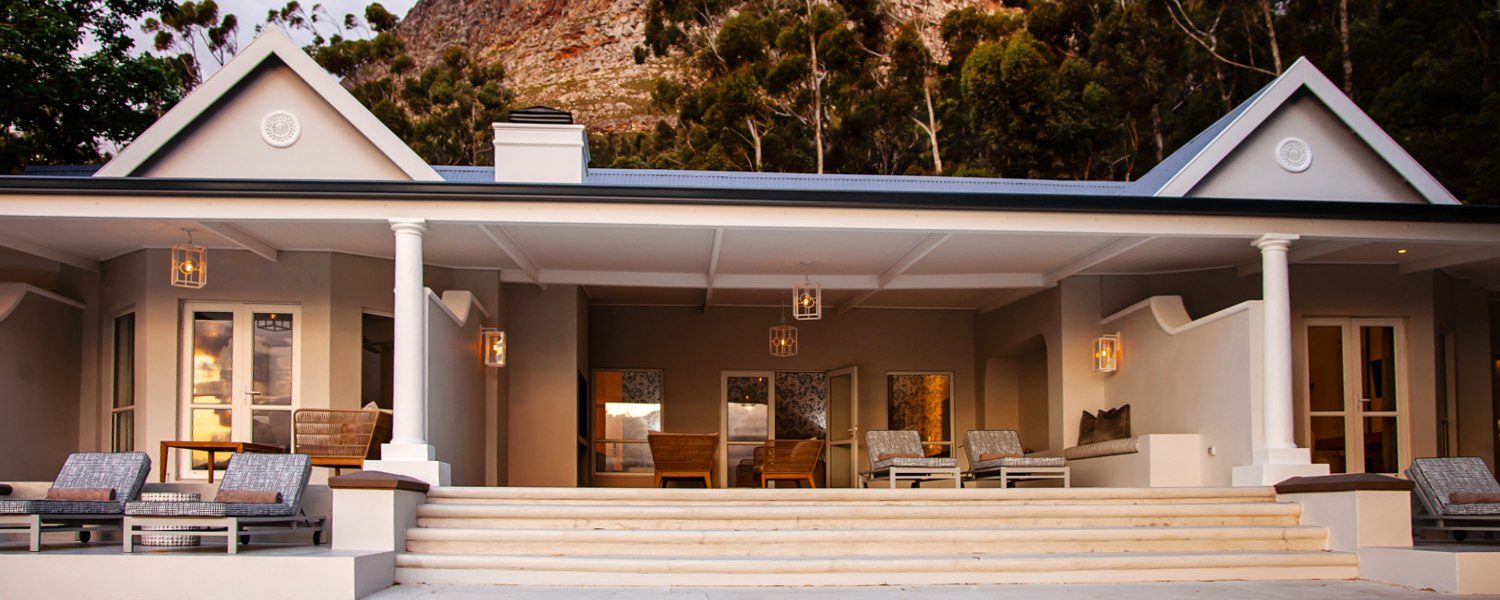
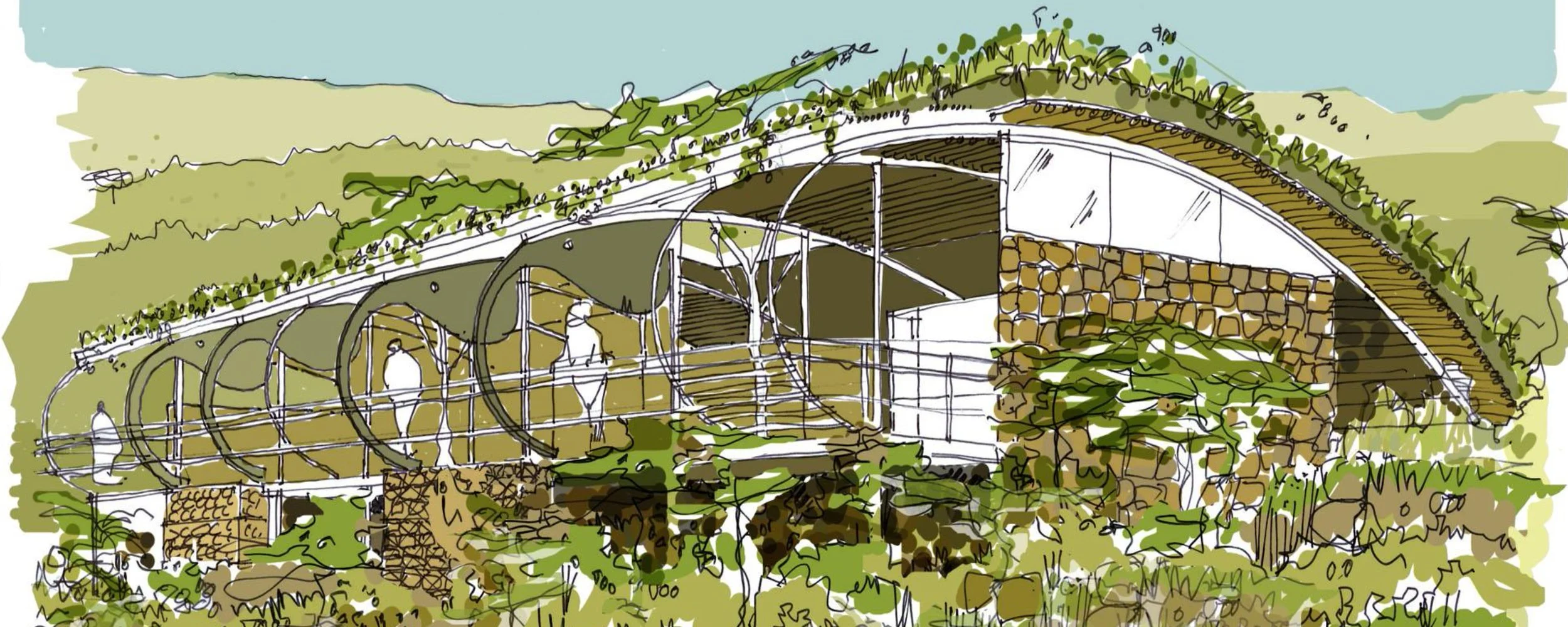
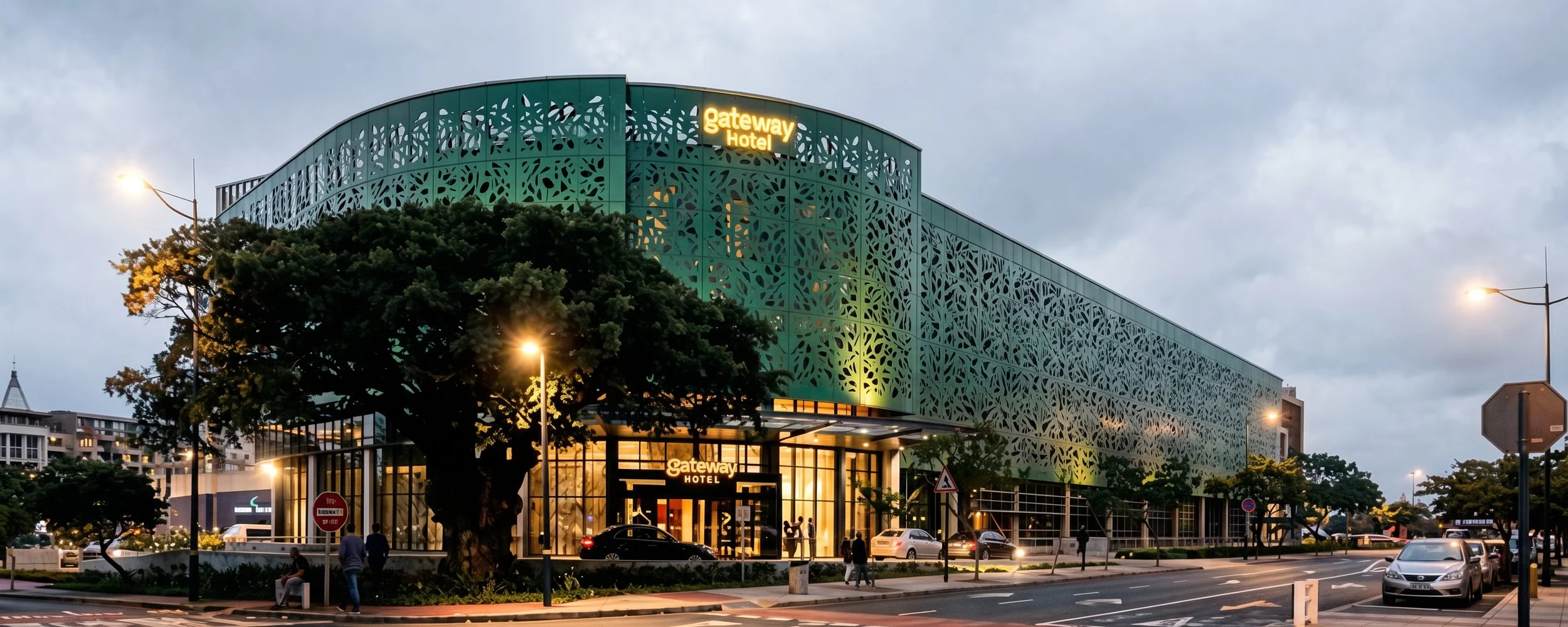
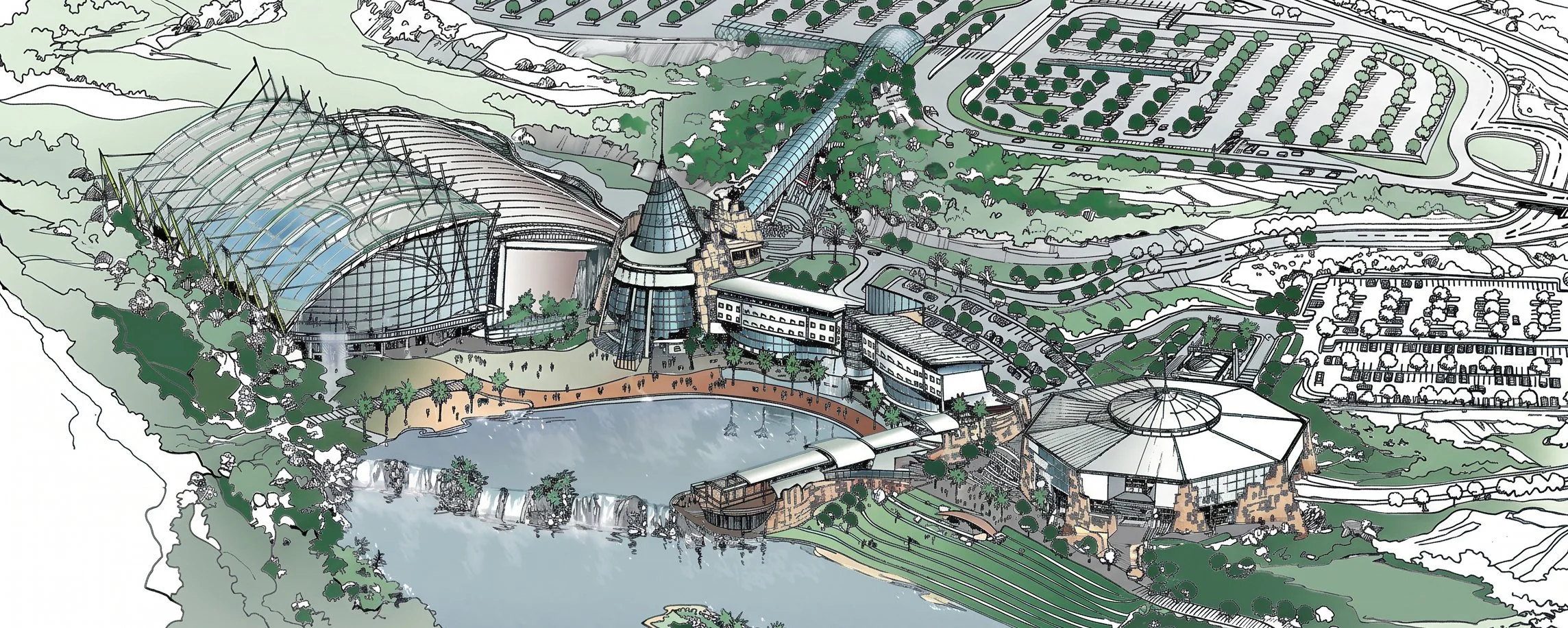
Hospitality architecture requires a careful balance of functionality, guest experience, operational efficiency and brand expression: designers must optimise flow and wayfinding for guests and staff, ensure robust back‑of‑house logistics and service routes and integrate durable, maintainable materials that meet intense wear and safety codes. Acoustic control, lighting design and thermal comfort are critical to creating atmospheres that match a brand’s positioning while supporting diverse programmatic needs—from transient guest rooms to flexible F&B and event spaces. Sustainability, accessibility and local context influence site planning, MEP integration and material selection, while cost control and phased construction constraints often dictate modular solutions and value-engineered detailing to protect design intent through delivery.
Hospitality Projects
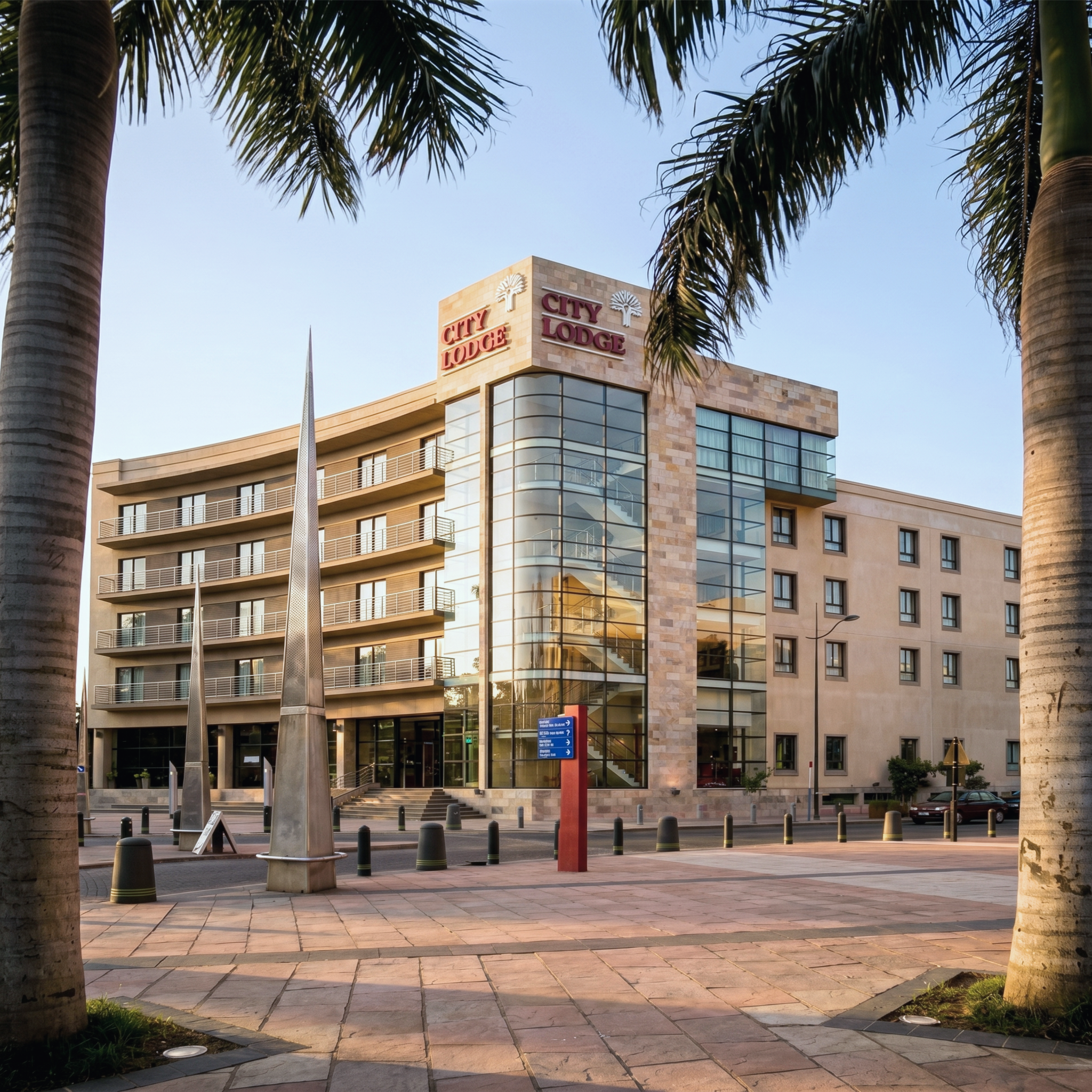
Hospitality architecture requires a careful balance of functionality, guest experience, operational efficiency, and brand expression: designers must optimize flow and wayfinding for guests and staff, ensure robust back‑of‑house logistics and service routes, and integrate durable, maintainable materials that meet intense wear and safety codes. Acoustic control, lighting design, and thermal comfort are critical to creating atmospheres that match a brand’s positioning while supporting diverse programmatic needs—from transient guest rooms to flexible F&B and event spaces. Sustainability, accessibility, and local context influence site planning, MEP integration, and material selection, while cost control and phased construction constraints often dictate modular solutions and value-engineered detailing to protect design intent through delivery.