Urban Design Projects
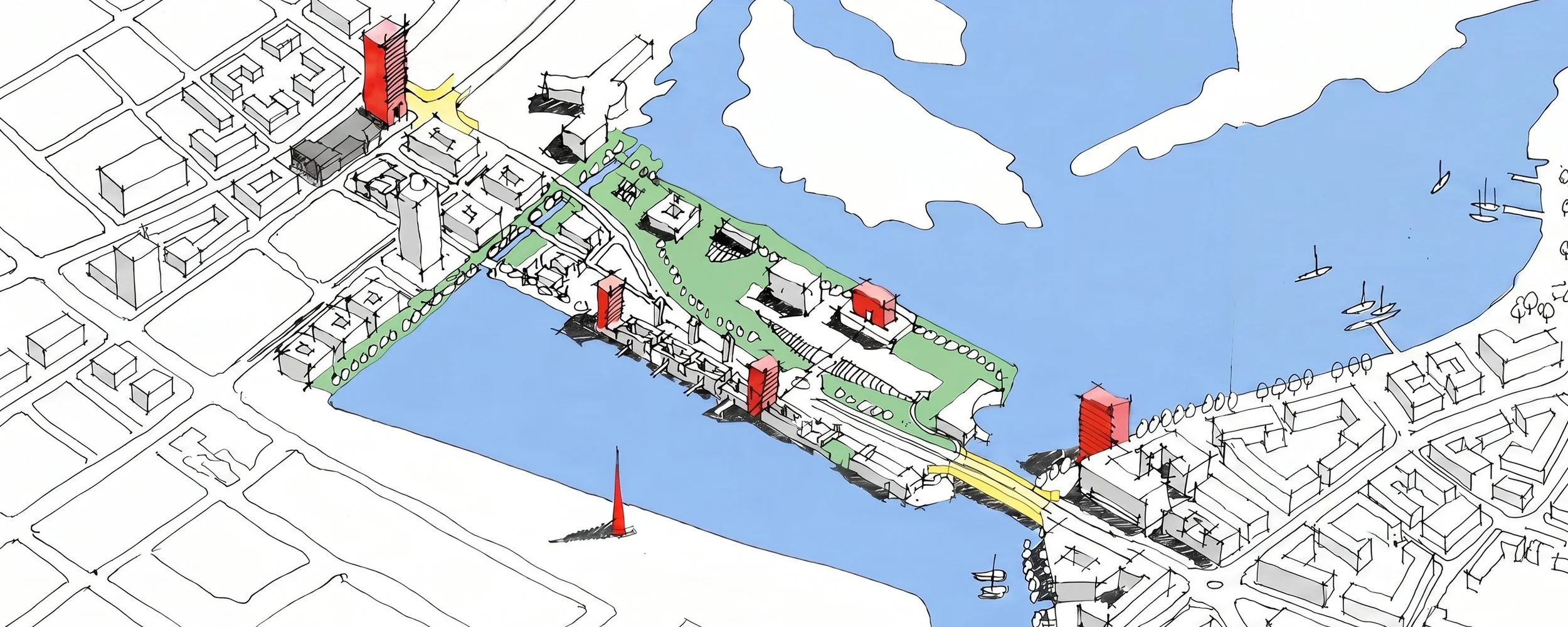
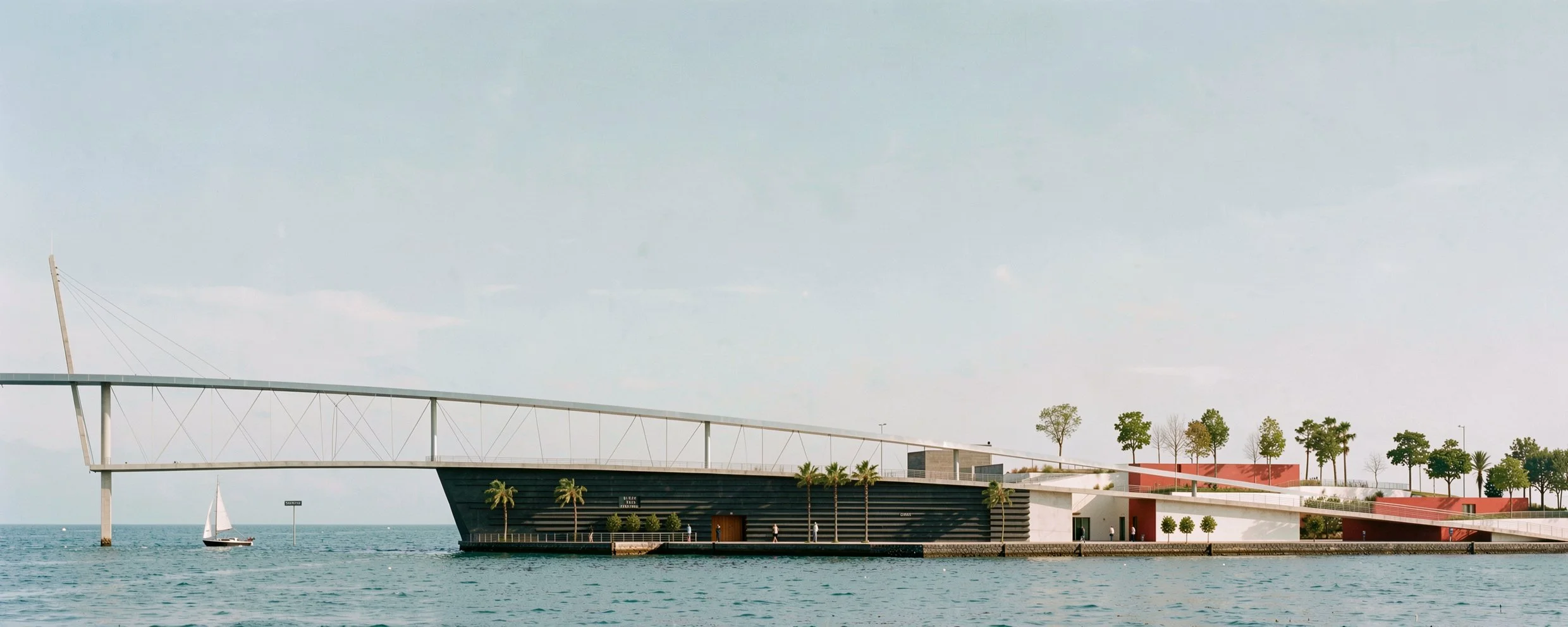
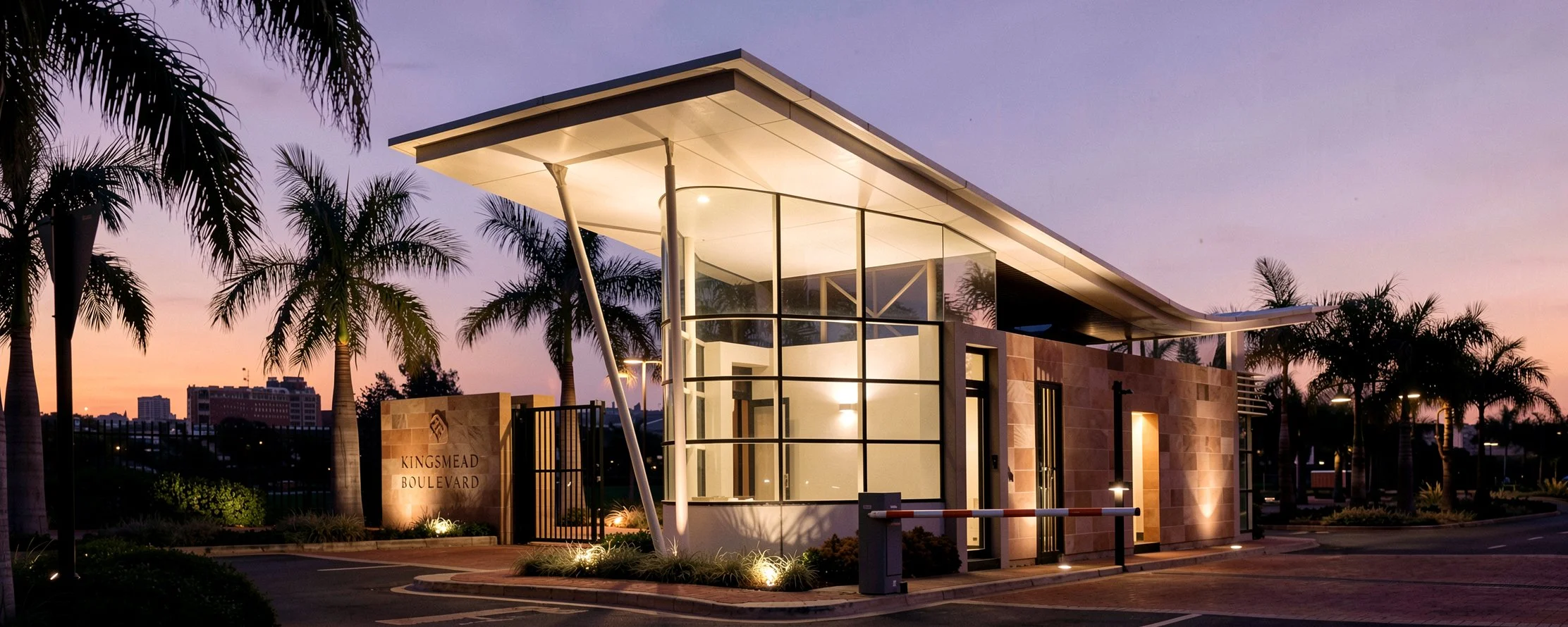
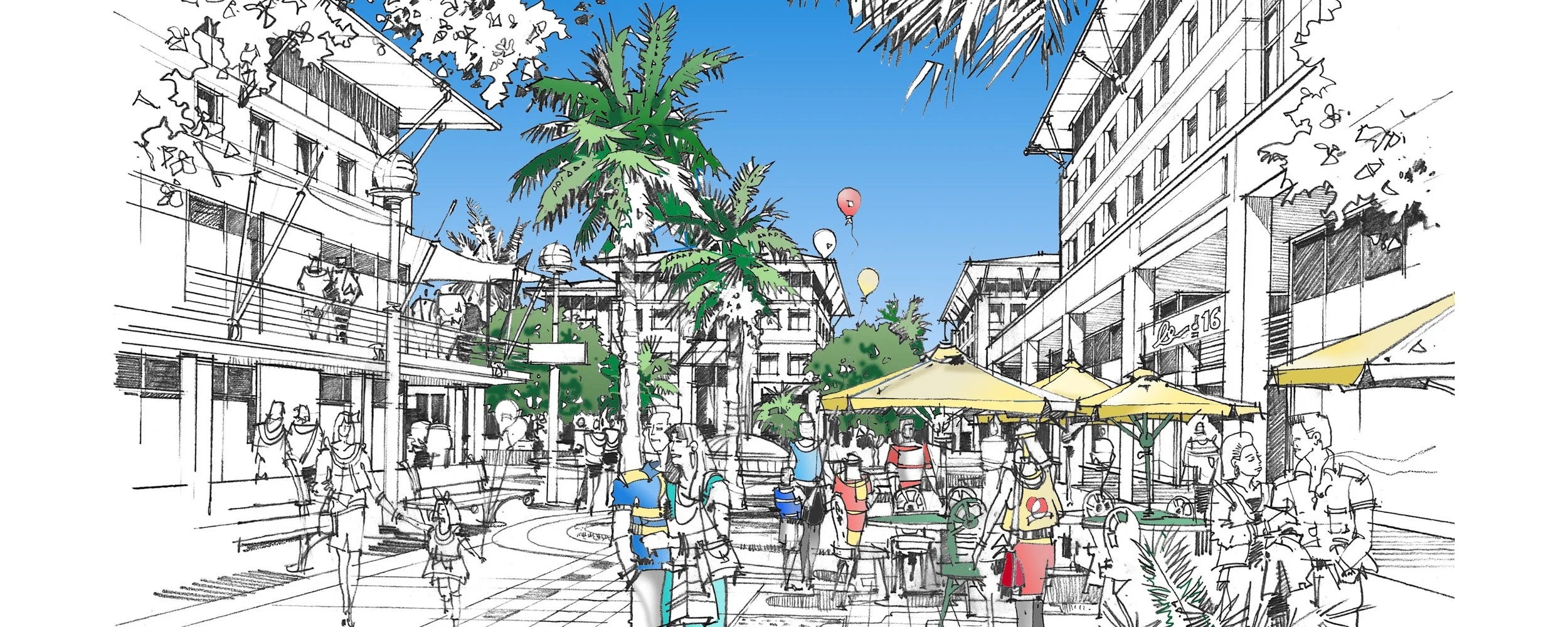
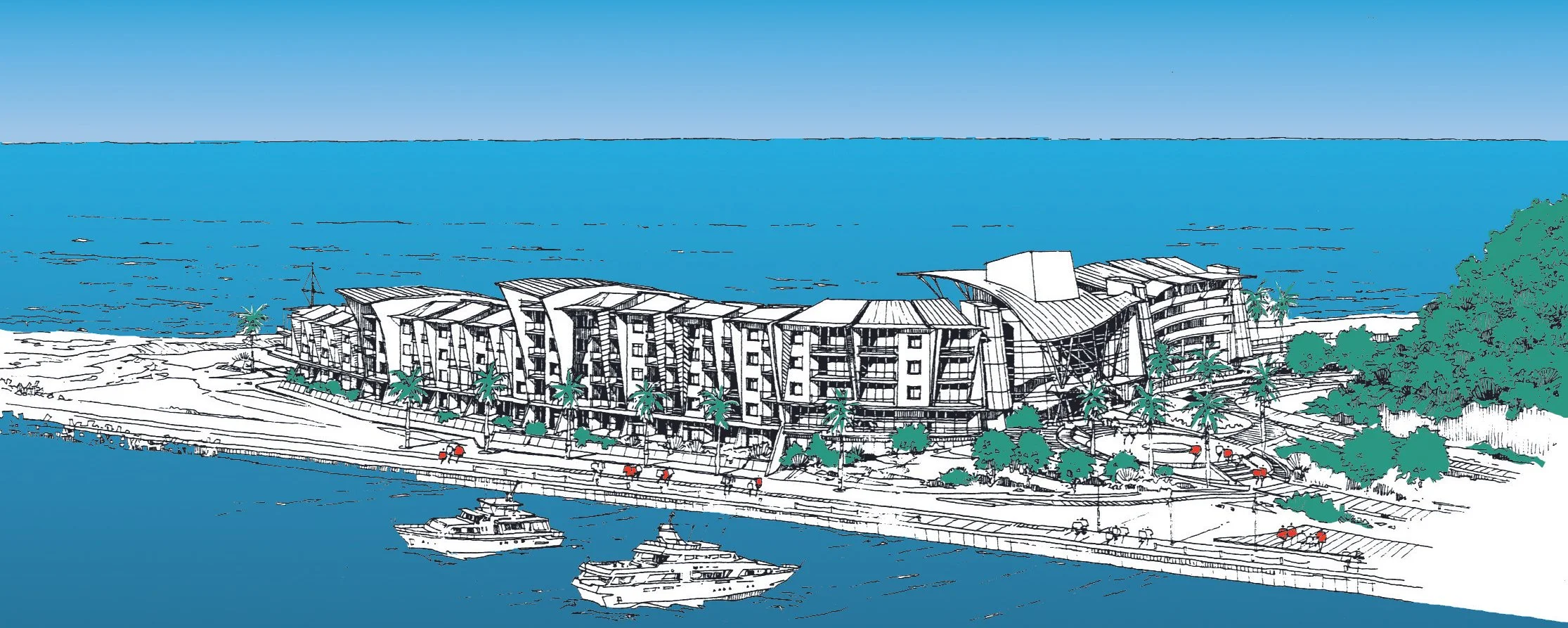
Urban design from an architect’s perspective balances human scale, spatial legibility and environmental resilience: ensuring buildings, streets and public spaces form coherent, walkable sequences that foster social interaction while accommodating mobility and accessibility needs. Key issues include integrating mixed uses to promote 24-hour activity, managing density to preserve light, views and microclimate and designing adaptable infrastructure that responds to climate change and ageing populations. Successful urban design also negotiates regulatory and economic constraints, coordinates multi-disciplinary stakeholders and leverages landscape, materials and daylight to create durable, context-sensitive places that support health, equity and long-term maintenance.
Urban Design Projects
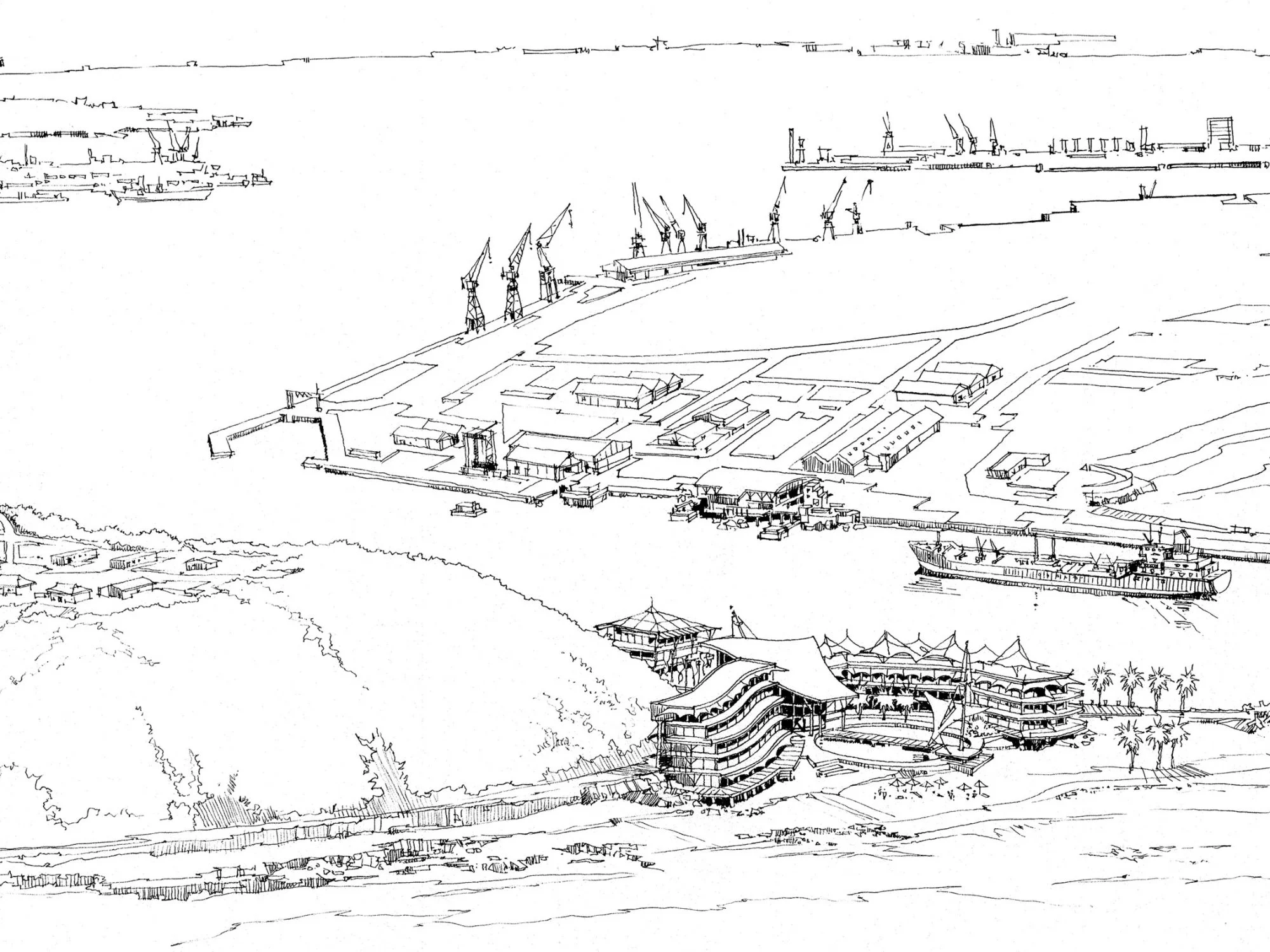
Urban design from an architect’s perspective balances human scale, spatial legibility, and environmental resilience: ensuring buildings, streets, and public spaces form coherent, walkable sequences that foster social interaction while accommodating mobility and accessibility needs. Key issues include integrating mixed uses to promote 24-hour activity, managing density to preserve light, views, and microclimate, and designing adaptable infrastructure that responds to climate change and aging populations. Successful urban design also negotiates regulatory and economic constraints, coordinates multidisciplinary stakeholders, and leverages landscape, materials, and daylight to create durable, context-sensitive places that support health, equity, and long-term maintenance.